
ERP for food manufacturers: from the weighbridge to the cost of every batch
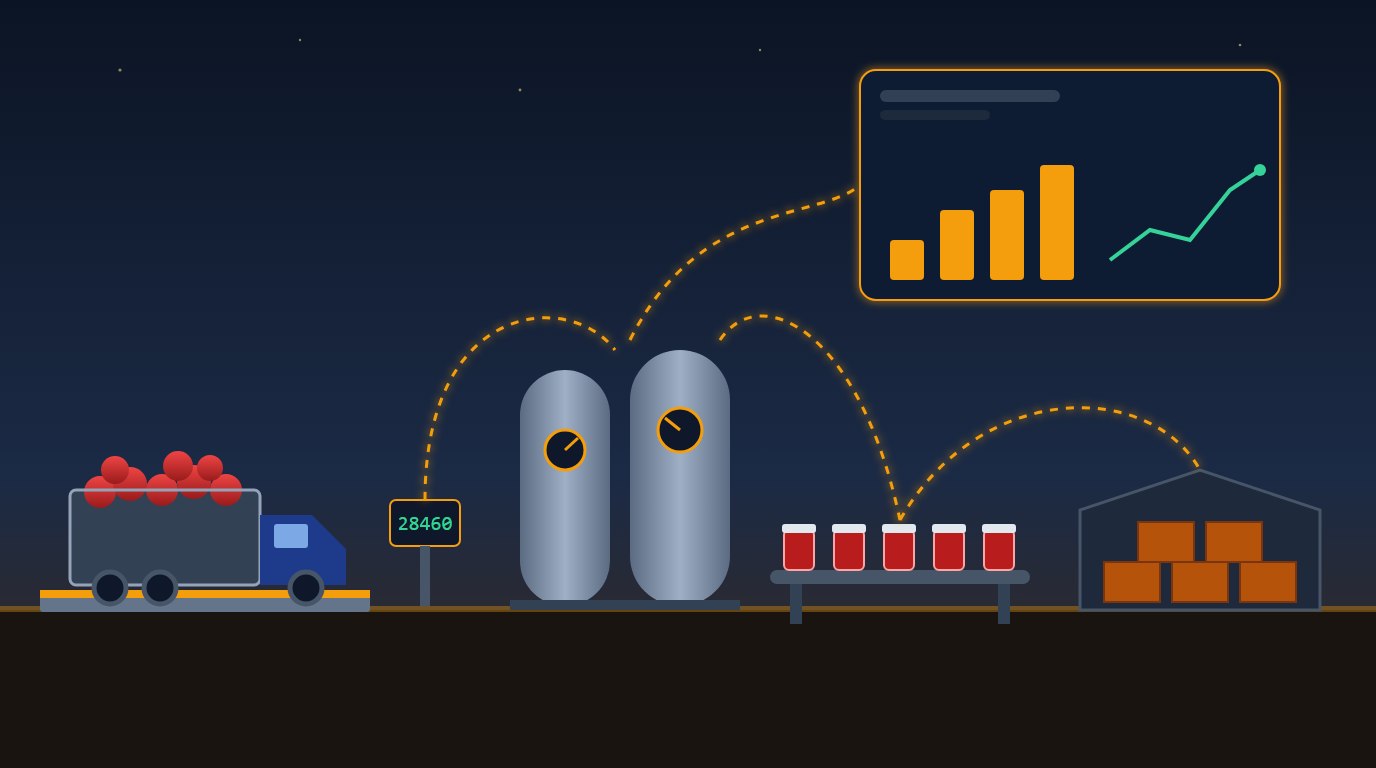
Anyone who has run a tomato-paste or pickle plant knows the first day of the season: trucks queue from the weighbridge to the road, growers wait for their tickets, and accounting is still keying in yesterday’s paper slips. An ERP for food manufacturers has to help right there, not three weeks later in the month-end report.
Why a food factory needs its own kind of ERP
- Raw material arrives by truck from hundreds of sellers. Grower, broker and load owner each have a role, and the weight of every load turns straight into money.
- Every kilo has deductions. Soil, impurities and moisture come off the weight, and that deduction must be transparent and traceable.
- Quality starts at the gate. Tomato Brix, sampling the load, accepting or rejecting it before it reaches the line.
- Batches and expiry dates are the law. If a shipment has a problem you must know which raw material and which production day it came from.
- The work is seasonal. At peak season nothing, not even an internet outage, may stop the weighbridge.
The whole chain on one database
In FaraERP every one of these steps sits on one database; each step takes its data from the previous one and no figure is typed twice.
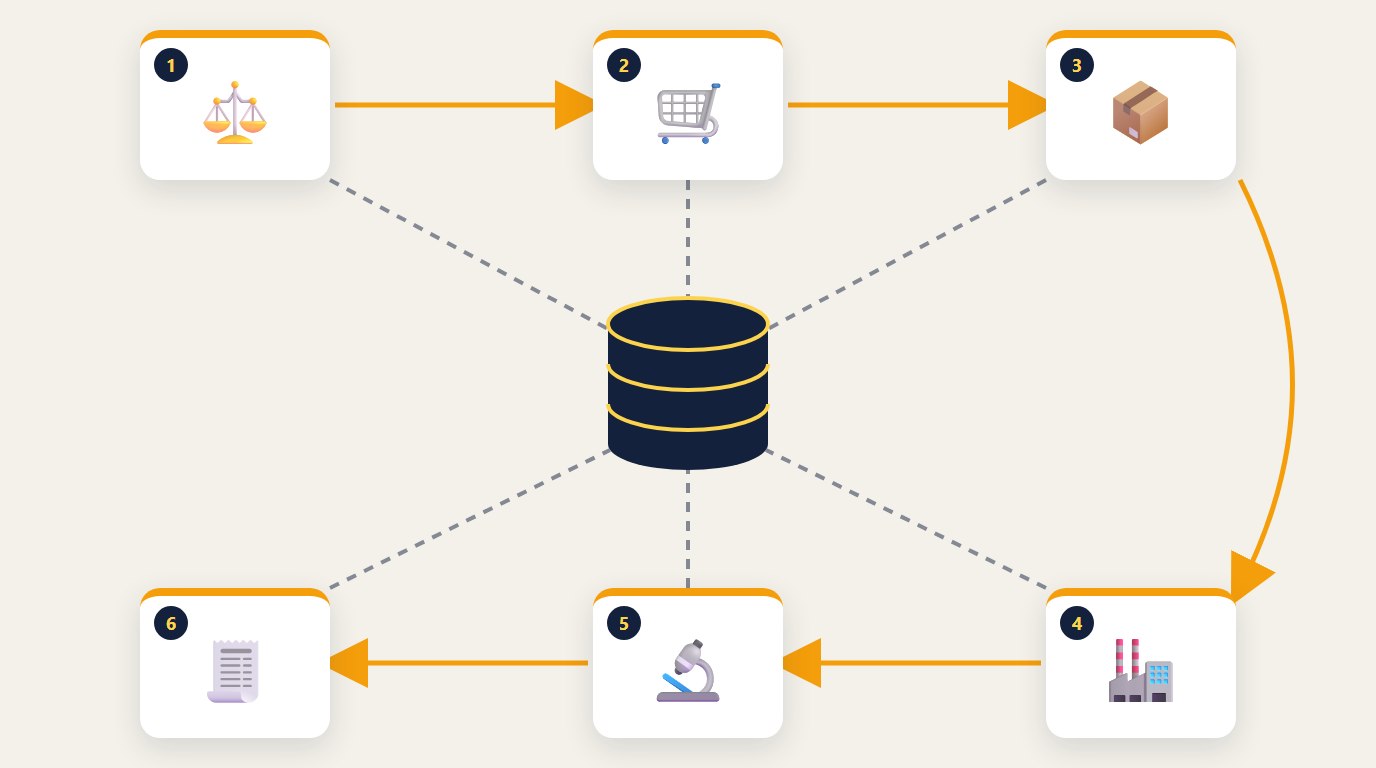
- Weighbridge: the terminal is wired directly to the indicator, issues two-stage tickets and deducts a loss percentage (soil, impurities, moisture) so that the “final net weight” becomes the financial basis. Brix recorded by the lab is shown on the form. More at FaraTozin.
- Purchasing and supplier settlement: purchase requests, orders, goods receipts and supplier settlement in one chain, with weighbridge weights also used for freight and settlement.
- Warehouse with batches and serials: several warehouses, receipts and issues, live stock, batch tracking, stocktaking and costing, plus inbound checks: count on arrival and a reason for every shortfall.
- Production: bills of material, work orders, material consumption, scrap and the cost of every production batch.
- Quality control: inspection plans for incoming goods, in-process, final product and shipping; fixed, percentage or AQL sampling, results entered on a phone, automatic verdicts, nonconformance reports and supplier scores.
- Sales, shipping and accounting: invoices, returns and price lists with automatic posting, and a report builder to make your own reports from invoices, entries, stock and the weighbridge.
Peak season, internet outages and the truck queue
The weighbridge terminal saves locally first; sending to the server is never a condition for issuing a ticket. The ticket number is created at that moment, even offline, and the same number later appears in the server report. Tickets wait in a send queue and go out automatically, without duplicates, once the line is back. Even when the licence expires, only new first weighings stop; second weighings, printing and sending carry on, so no truck is ever stuck on the scale.
Stop anyone tampering with weights
- Manual weight only with a permission and a reason: the reason and the user are stored and printed on the ticket itself with a “manual weight” warning.
- Not everyone can change the loss percentage: only users who hold the permission.
- The system core keeps a trace of every change: who changed what, and when.
Food-safety audits and line maintenance
The ISO compliance module supports ISO 9001 and ISO 22000 (food safety): gap assessment, roadmap, controlled documents, nonconformities with root-cause analysis, internal audits and an audit-readiness score. Certification is issued by a certification body, not by us. The maintenance module adds preventive plans by date or meter, fault report to work order and the cost of every repair, because a line that stops mid-season is the most expensive loss a plant can have.
Who already works with it
The tomato-paste factories Beh Yek and Tabiat run their weighbridges on FaraERP, and at Beh Yek the process quality monitoring of the tanks (Brix) runs on the same system. Sabz Pouyan (food additives and ingredients) and the agro-industrial company Pars Karina are FaraERP customers as well.
What it does not do today
To be straight with you, so the demo holds no surprises:
- Automatic accounting entries from weighbridge tickets: the tickets are on the same data, but the accountant still issues the entry.
- Direct printing from the terminal: the ticket output is a PDF file.
- Barriers and RFID: not yet.
- Formulation and nutrition labels: there are bills of material and costing, but no recipe-design or nutrition-label tool.
Six questions for any food-manufacturing ERP demo
- If the internet drops right now, does your weighbridge still issue tickets?
- Who can change the loss percentage, and where is that change recorded?
- From one carton of finished product, can you trace back to the inbound load and its seller?
- Show me the cost of one production batch, scrap included.
- How does the quality result of an inbound load feed into the supplier’s score?
- Which documents do you have ready for an ISO 22000 audit?
To see what drives the cost of such a system, read the ERP price and buying guide; to see this chain on your own plant’s scenario, book a demo. Choosing weighbridge software? See this guide.