
ERP software price: an iceberg with only its tip on the invoice

“How much is an ERP?” is like asking “how much is a house?”. A studio or a five-storey building? City centre or outskirts? Turn-key or bare shell? Anyone who quotes a number without asking does not know you yet, or will change that number later.
The real danger is elsewhere. The ERP price on the quote is only the tip of the iceberg. What sinks the ship is below the waterline.
Above the water: five things that make up ERP software pricing
- Modules: accounting alone has one price; accounting, inventory, production, payroll and office automation another.
- Users: some vendors charge per named user, others per concurrent user. With shift work the difference is huge.
- Deployment: on the vendor’s servers (cloud) or on your own? The first cuts server and maintenance costs, the second keeps data in the building.
- Data migration and setup: chart of accounts, items, parties and balances must be moved and cleaned.
- Support and updates: yearly or monthly? Are response times written into the contract?
Below the water: costs that are not on the quote
- Your own team’s time: during go-live your accountant and storekeeper do their daily work and learn the new system.
- Servers, backups and security: on your own server, hardware, power, backups and someone to look after them all cost money.
- Re-keying data: if inventory and accounting are separate programs, someone types numbers from one into the other every day. That salary is paid monthly.
- Reports that break on update: every time your custom report stops working after a new version, you pay again.
- Usage services: SMS, WhatsApp and smart services are usually billed separately, by use.
- The cost of failure: the most expensive ERP is the one dropped after a year. Have you read why ERP projects fail?
ERP pricing models
- Perpetual licence Upside: Pay once · Watch out for: Support and updates are extra every year
- Monthly or yearly subscription Upside: Lighter start · Watch out for: Add up several years
- Per user Upside: Simple and predictable · Watch out for: Named or concurrent users?
- Per module Upside: Pay only for what you need · Watch out for: Is an unbought module really switched off?
Free ERP?
Free usually means a zero licence, not zero cost. Installation, localisation of calendars and tax rules, data migration, support and skilled staff all stay below the waterline. Free ERP is great for learning; for a plant that a hundred salaries depend on, count what is under the water first.
Before you buy: ten questions to get answered in writing
- What exactly is in this price? Modules, users, training, data migration.
- Named or concurrent users?
- A module we did not buy: where is it switched off, and what does adding it later take?
- On our own server: the same version or a separate branch?
- Who owns the data? If we ever leave, how do we export it?
- Updates: do they cost extra? Do they break our custom reports?
- Support: are response times and an escalation path for work-stopping failures in the contract?
- Going live: how long, and who on our side must give time?
- Usage services: what is billed separately?
- A demo with our own data: will you show our real scenario before we sign? (See our ERP software demo guide.)
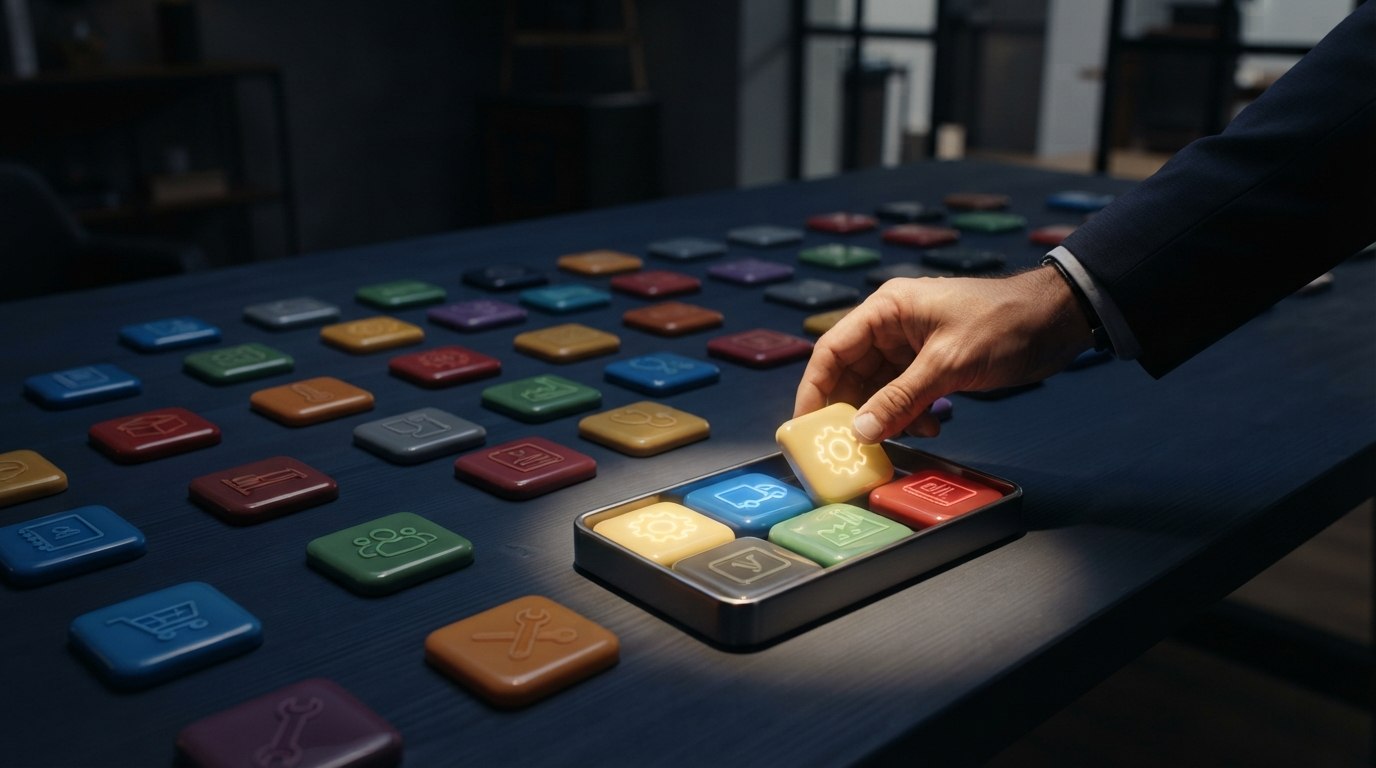
How FaraERP is priced
FaraERP has no fixed figure on the website, because no two customers need the same thing. The rule is clear, though:
- The modules you actually need and the number of concurrent users: these two make the price.
- You do not pay for what you do not use: a module you have not bought is not switched on at all on your server. When you need it, it is switched on, and the mobile app needs no new version.
- One system, one database: inventory and accounting see the same number; nobody re-keys data between programs.
- A separate database per organisation: your data never shares a table with another customer.
- Our servers or yours: the on-premise installation is the same main version and never falls behind on updates.
- Custom reports on the standard build: the next update does not wipe them.
- Transparent usage services: SMS, WhatsApp and the assistant are drawn from the organisation’s wallet as they are used.
- Support from the makers: the support team is the team that builds the product.
The exact figure follows a discovery call. See the demo first, then ask the price.
Before you fall for the tip of the iceberg, look below the water. Book a free, no-obligation FaraERP demo